
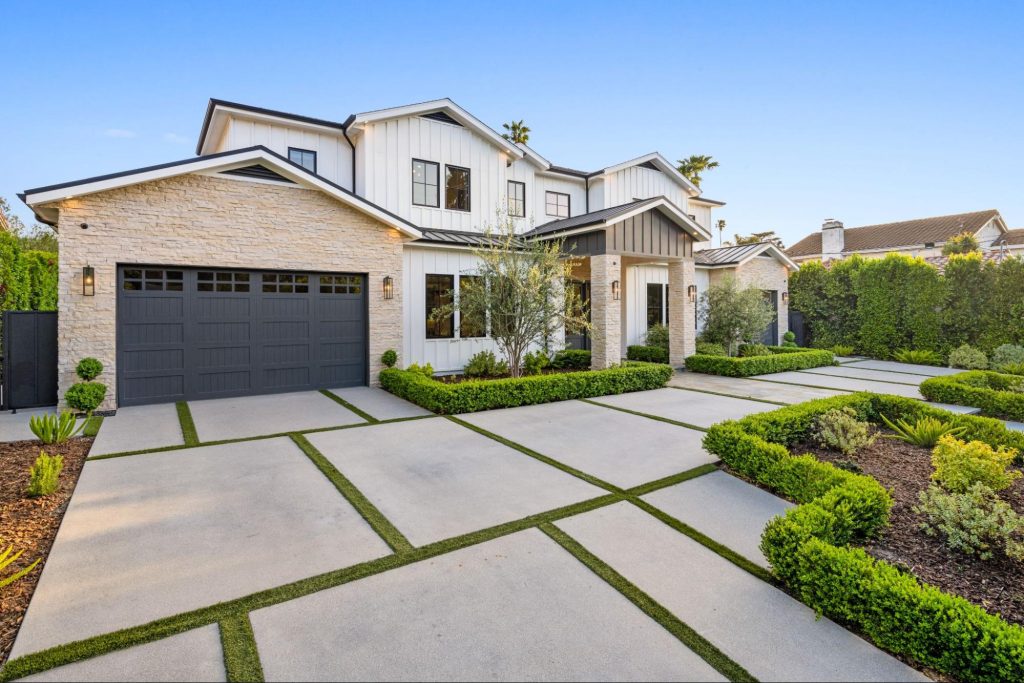
A garage door experiences daily wear and tear, making regular service and repair essential. Broken springs, misaligned tracks, and faulty openers are common issues that require professional attention. Garage door service and repair costs depend on door type, damage severity, and labor rates. Some fixes are affordable, while others demand specialized parts and expertise. Planning for these expenses helps homeowners avoid unexpected repair costs.
Understanding Garage Door Service and Repair Costs
Garage door service and repair expenses can vary widely based on the type of issue, the materials involved, and the expertise required for the fix. Some repairs are minor and cost-effective, while others demand specialized labor and high-quality replacement parts, increasing the price. Homeowners who understand these cost variations can make informed decisions about repairs and maintenance, avoiding unnecessary expenses.
Factors Affecting Garage Door Service and Repair Price
Many elements influence the cost of garage door service and repair, making it essential to understand what drives pricing. Factors such as the type of repair, labor fees, and geographic location all play a role in determining final costs.
Type of Repair Needed
Simple fixes like sensor realignment cost less, while major repairs such as spring or panel replacements are more expensive. The complexity of the job affects labor time, which increases costs. Repairs involving electronic components, like motorized openers, tend to be on the higher end due to specialized parts.
Material and Parts Cost
Steel and aluminum doors generally cost less to repair than wooden or custom-made doors. The price of replacement parts, such as rollers, springs, or cables, depends on durability and brand. High-quality components extend a garage door’s lifespan but come at a premium.
Labor and Service Fees
Professional repair costs vary based on experience, reputation, and regional labor rates. Some companies charge flat fees, while others bill by the hour, significantly impacting pricing. Emergency services and after-hours repairs often come with higher charges.
Geographic Location
Urban areas with higher living costs typically have more expensive service rates. Rural locations may have fewer technicians available, leading to increased travel fees. Competition among service providers in a specific area can also affect pricing.
Extent of Damage
Minor wear and tear require less effort to fix, while significant structural issues demand more time and resources. Extensive damage may necessitate full panel replacements, which cost more than spot repairs. The longer a homeowner delays service, the more expensive maintenance may become.

Common Garage Door Service and Repair Expenses
Garage doors experience regular wear, leading to repairs that vary in complexity and cost. Some fixes require simple adjustments, while others involve replacing essential components to restore functionality. Knowing the most common expenses helps homeowners anticipate repair costs and avoid unexpected financial strain:
Spring Replacement
Torsion and extension springs bear the garage door’s weight, making them prone to breakage after years of use. A broken spring prevents the door from opening properly, requiring immediate replacement. Professional installation is necessary since handling high-tension springs without proper tools can be dangerous.
Cable Repair
Cables help lift and lower the door smoothly, but fraying or snapping can lead to operational failure. A garage door with a broken cable may become unbalanced or get stuck, posing a safety risk. Repairing cables involves replacing damaged sections and ensuring proper tension to prevent further issues.
Panel Replacement
Dents, cracks, or severe weather damage can weaken garage door panels, affecting appearance and structural integrity. Replacing a single panel costs less than a complete door replacement, making it a practical solution for localized damage. Matching new panels with existing ones may be challenging, especially for older models.
Sensor Alignment
Safety sensors detect obstructions and prevent the door from closing on objects, pets, or people. Misalignment or dirt buildup can cause sensors to malfunction, leading to operational issues. Technicians realign or clean the sensors to restore proper function, ensuring the door closes safely.
Track Adjustment
Bent or misaligned tracks prevent the garage door from opening and closing smoothly. Ignoring this issue can strain the entire system, leading to further damage. Adjusting or replacing tracks restores smooth operation and prevents the rollers from derailing.
Opener Repair or Replacement
A faulty garage door opener can result in unresponsive controls, slow movement, or sudden stops. Electrical failures, worn gears, or sensor malfunctions often require professional repairs or complete unit replacement. Upgrading to a modern opener with innovative technology improves security and convenience.
Roller Replacement
Rollers help the garage door glide along its tracks, but worn-out or broken rollers create jerky movements and loud noises. Replacing damaged rollers reduces strain on other components and ensures quiet, smooth operation. High-quality nylon or ball-bearing rollers last longer than standard plastic versions.
Weather Stripping Replacement
Damaged weather stripping allows drafts, moisture, and pests to enter the garage, reducing energy efficiency. Replacing worn seals improves insulation and protects belongings from temperature fluctuations. Properly installed weather stripping also prevents water damage during heavy rain.
Hinge and Bracket Repair
Loose or rusted hinges cause misalignment and uneven door movement. Replacing faulty brackets and tightening screws ensures stability and prevents unnecessary strain on the door. Regular lubrication helps extend the lifespan of these small but essential components.
Garage Door Service and Repair Pricing by Type of Door
Garage door repair costs vary depending on the door’s material, durability, and complexity. Some materials are easier to fix, while others require specialized parts or labor, increasing overall expenses. Knowing how different door types impact service pricing helps homeowners budget for potential repairs:
Steel Garage Doors ($150–$600 Per Repair)
Steel doors are durable and resistant to common damage, but dents and rust can still occur. Minor dent repairs cost less, while replacing rusted sections or panels adds to the expense. Heavier steel doors may also require stronger springs and hardware, which raises the repair price.
Wood Garage Doors ($250–$1,000 Per Repair)
Wooden doors offer a classic look but require more maintenance due to warping, rotting, or cracking. Repair costs are higher because replacement panels and custom work are often needed to match the original design. Protective coatings and regular maintenance reduce long-term expenses by preventing moisture damage.
Aluminum Garage Doors ($150–$500 Per Repair)
Lightweight aluminum doors resist rust but are more prone to dents and bending. Panel replacements are relatively affordable, but structural damage may require extensive repairs. High-end aluminum doors with insulation or decorative finishes increase service costs.
Fiberglass Garage Doors ($200–$800 Per Repair)
Fiberglass doors resist moisture and extreme weather, making them a low-maintenance option. Cracks and fading require refinishing or panel replacements, which can be expensive. Repairs for fiberglass doors may also involve reinforcing the underlying frame for added durability.
Vinyl Garage Doors ($200–$700 Per Repair)
Vinyl doors resist dents and rust, but cracks and fading are common issues. Repairing a damaged panel costs less than complete replacement, but matching the color and texture can be challenging. High-quality vinyl doors with reinforced cores tend to have fewer repair needs.
Custom and Carriage-Style Garage Doors ($400–$1,500 Per Repair)
Custom doors with intricate designs, windows, or specialty materials require specialized maintenance. Replacing decorative panels, realigning custom tracks, or fixing unique mechanisms adds to labor and material costs. Homeowners with custom doors should work with experienced technicians to ensure proper repairs.

Labor Costs for Garage Door Service and Repair
Labor charges vary depending on the complexity of the repair, the technician’s experience, and regional pricing differences. Some services require specialized skills, while others involve straightforward adjustments. Knowing what goes into labor pricing helps homeowners avoid overpaying for repairs.
Basic Service Call ($75–$150 Per Job)
A standard service call fee covers the technician’s inspection, diagnosis, and minor adjustments. This fee is often applied toward the final bill if additional repairs or parts are needed. Emergency or after-hours service calls usually come with higher rates.
Hourly Labor Rate ($50–$150 Per Job)
Most garage door technicians charge an hourly rate for labor-intensive repairs. Jobs requiring extensive disassembly, alignment, or custom work take longer, increasing overall costs. Highly experienced or certified professionals may charge at the higher end of the range.
Spring Replacement Labor ($100–$250 Per Job)
Replacing garage door springs requires specialized tools and knowledge to handle high-tension components. Labor costs depend on the type of spring system, with torsion springs taking more time and effort to replace than extension springs. Professional installation ensures safety and prevents damage to other parts.
Opener Installation or Repair ($150–$500 Per Job)
Garage door openers involve electrical wiring, motor adjustments, and sensor calibration, making repairs more complex. Installing a new opener takes more time, especially when upgrading to an innovative system. Labor costs increase for high-end models with advanced features like Wi-Fi connectivity and battery backup.
Track and Roller Replacement ($125–$400 Per Job)
Bent or misaligned tracks require realignment, welding, or complete replacement. Labor costs depend on the extent of damage and the effort needed to secure new tracks. Replacing rollers along with tracks ensures smooth operation and reduces future maintenance needs.
Panel Replacement Labor ($200–$800 Per Job)
Replacing a damaged panel involves removing and securing sections while ensuring proper alignment. Labor costs rise for custom doors or when multiple panels need replacement. Technicians also check for hidden structural issues that could affect long-term performance.
Cable and Hinge Repair ($100–$300 Per Job)
Repairing or replacing worn cables and hinges involves adjusting tension and securing new components. Misaligned hinges can lead to uneven door movement, requiring careful realignment. Costs increase for heavy doors needing reinforced hardware or upgraded cables.
Budgeting for Garage Door Services and Repairs
Regular maintenance and timely repairs keep a garage door functioning efficiently while preventing costly breakdowns. Comparing service quotes, choosing durable replacement parts, and working with experienced professionals help homeowners manage expenses. Ignoring minor issues leads to more significant problems, increasing repair costs over time. Investing in routine inspections and preventive care extends the system’s lifespan and reduces unexpected expenses. A well-maintained garage door ensures safety, security, and long-term savings.
For reliable garage door services and repairs, check out our All American Door LLC blog.