
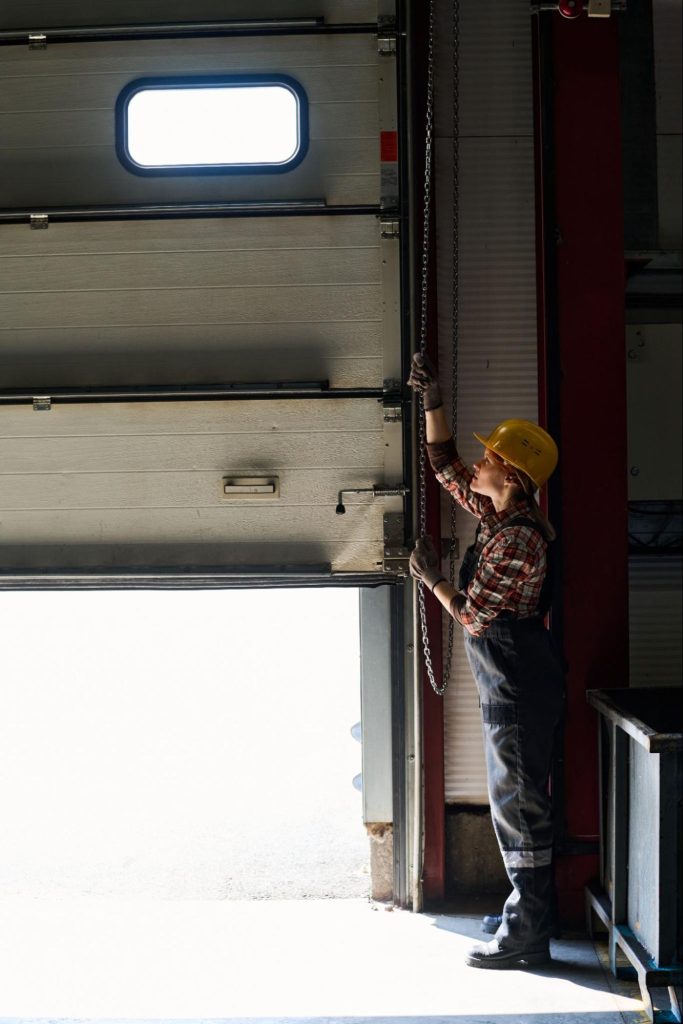
Garage doors are more than just moving panels; they’re your home’s first line of defense. They protect vehicles and tools and act as a secondary entrance. Despite this, they’re often neglected until they stop working. Repairs are costly, and failure can be dangerous. Skipping maintenance isn’t a risk worth taking.
Garage Door Maintenance Starts With Awareness
Many homeowners underestimate the mechanical demands placed on their garage doors. Daily use wears down springs, rollers, and tracks in subtle ways. Over time, minor problems build into safety hazards or system breakdowns. Recognizing early signs and taking regular action can prevent sudden failures and costly repairs.
Why Garage Doors Fail Without Warning
Garage doors can look perfectly fine while hiding significant wear beneath the surface. Springs can lose tension quietly, and rollers may wear unevenly without obvious signs. Many people don’t notice problems until the door jams or slams shut unexpectedly. A slow lift, strange noise, or uneven movement is often the first clue. Catching these early keeps you ahead of dangerous or expensive issues.
The Real Risks of Ignoring Maintenance
When garage doors aren’t maintained, the results can be more than annoying; they can be harmful. A broken spring or misaligned track can cause the door to crash down or jam halfway. It puts kids, pets, and anyone nearby at risk. Poorly functioning sensors also fail to stop the door from closing on objects or people. Ignoring minor problems increases the danger and invites intruders if the system can’t lock properly.
Garage Door Maintenance for Longer Life and Lower Costs
Garage doors are one of the biggest moving parts in your home. Without maintenance, wear adds up fast and shortens their usable life. Taking simple steps consistently can reduce long-term costs, extend the system’s life, and prevent emergency repairs. Smart upkeep is a financial strategy, not just a home habit.
Prevent Costly Repairs and Replacements
Routine upkeep protects the system from avoidable damage and strain. When hinges, springs, and rollers are kept clean and lubricated, they last longer and perform better. Ignoring minor issues like loose bolts or dry rollers can lead to major part failures later. Preventive care also avoids sudden breakdowns that lead to expensive emergency service calls. A little effort now can save you much money down the road.
Protecting Your Investment
Your garage door significantly contributes to your home’s appearance and value, and maintaining it in top shape helps preserve that value. A door that operates smoothly and quietly demonstrates to potential buyers that the system has been well-maintained. Dirt, rust, and weather can damage both appearance and performance if left unattended. Regular cleaning and upkeep keep the system quiet and reliable. It’s a simple way to protect one of your home’s largest mechanical assets.
Essential Garage Door Maintenance Tasks for Homeowners
Homeowners can handle several necessary maintenance steps without special tools or experience. Conducting these checks regularly helps prevent minor issues from escalating into major problems. Knowing what to look for also makes it easier to explain any concerns to a technician. Consistency matters more than complexity.
Visual Inspections You Can Do Monthly
Each month, take a few minutes to inspect the garage door visually. Look at rollers, hinges, tracks, and springs for dirt, rust, or misalignment. Pay attention to how the door moves and sounds; it should be smooth and quiet. Any jerking, scraping, or sagging means something’s wrong. Early signs are often subtle but easy to spot once you know what to look for.

Lubrication and Tightening for Peak Performance
Lubrication reduces friction and prevents metal parts from grinding or sticking. Use a silicone or lithium-based lubricant on hinges, springs, and rollers, not grease or household oils. While you’re at it, check for loose bolts or brackets and tighten them as needed. Well-lubricated and secure components move better and last longer. This simple task goes a long way in keeping the door operating quietly.
Testing Safety Features Regularly
Your garage door’s safety systems only work effectively if they are tested and maintained. Place a small object under the door to confirm it reverses direction when hitting it. Wipe the sensors clean and ensure they’re correctly aligned, facing each other. Disconnect the opener to check the door’s manual balance; it should stay halfway open. These safety checks are quick yet crucial for protecting people and property.
When to Call the Pros for Garage Door Maintenance
Some garage door issues are too risky or technical for DIY fixes. Professionals bring tools, experience, and safety training that go beyond what most homeowners can handle. Recognizing when to call helps prevent injuries and stops damage before it spreads. It’s not weakness; it’s innovative management.
Spotting Issues That Need Expert Attention
Serious problems like broken springs, frayed cables, or bent tracks aren’t just complex to fix; they’re dangerous. These components hold high tension and can cause injury if mishandled. If the door closes unevenly, grinds loudly, or opens unpredictably, don’t try to force it. These are signs of deeper mechanical failure best left to a technician. Timely professional garage door service prevents a bad situation from getting worse.
Benefits of Scheduled Professional Tune-Ups
Professional inspections go beyond surface-level checks and catch things most homeowners miss. Technicians measure spring tension, test opener strength, and fine-tune alignment with precision. They can also spot signs of long-term wear you wouldn’t recognize. Scheduling a tune-up once or twice a year gives you peace of mind and a smoother-running system. Preventive care pays for itself.
Seasonal Garage Door Maintenance Tips
Seasons bring shifting temperatures, moisture, and debris, all of which affect garage door performance. Each type of weather creates different challenges for moving parts and system response. Preparing ahead of time keeps your system steady throughout the year. Seasonal maintenance enhances the effectiveness of your routine.
Preparing for Cold Weather
Cold temperatures stiffen springs and thicken lubricants, which strain the opener and slow down operation. Before winter hits, check weatherstripping, clean the tracks, and apply cold-resistant lubricant. Ice can build up in tracks or around the seal, so keep those areas dry. Cold air also slips through worn seals, raising heating bills. A few minor adjustments make a big difference in performance and comfort.
Summer Maintenance Must-Dos
Hot weather causes metal parts to expand, which can affect alignment and create unnecessary friction. Sunlight can throw off sensor calibration or even block their signal. Dust builds up quickly in dry conditions, making the rollers sticky and reducing the opener’s efficiency. Clean the tracks, adjust the sensors if necessary, and inspect for signs of expansion or warping. Summer is a good time to catch appearance issues, such as fading paint.

Garage Door Maintenance and Environmental Responsibility
Maintaining your garage door also reduces its environmental impact. A well-sealed, energy-efficient door helps stabilize indoor temperatures and reduces wasted energy. Proper care also prevents large metal and plastic components from being sent to landfills. Maintenance becomes part of sustainable homeownership.
Energy Efficiency Starts at the Garage
Garage doors often cover large spaces, and when they don’t close tightly, they let air flow freely. It forces your HVAC system to run longer and harder to maintain indoor comfort. Lubricating moving parts and fixing worn seals help the door open and close smoothly without wasting energy. Keeping components aligned also prevents unnecessary strain on motors and reduces electricity use. Efficient doors save money and reduce environmental stress.
Reducing Waste With Long-Term Care
Poor maintenance often leads to early part failure and unnecessary replacements. That sends heavy components, such as openers and springs, to the landfill years before they are necessary. Replacing a worn cable or roller early can extend the life of the entire system. Minor repairs now mean fewer new materials later. Caring for what you have is the simplest form of waste reduction.
Garage Door Maintenance for Aging in Place
Garage doors should be safe, simple, and consistent, especially for older adults. Aging homeowners need doors that function without force or risk. Maintenance helps avoid breakdowns that limit access or create hazards. A well-maintained system supports safety and independence.
Ease of Use and Daily Reliability
As mobility changes, a garage door that jerks or sticks becomes more than annoying; it becomes a safety hazard. Older adults need doors that open smoothly with minimal physical effort. Regular lubrication, balance checks, and part adjustments help the door glide easily. That consistency reduces frustration and improves confidence. When the door works right, it supports daily life instead of disrupting it.
Safety Systems that Support Independence
Auto-reverse features and motion sensors protect people from injury, but only when they’re tested and cleaned regularly. A door that doesn’t reverse properly can be a serious hazard for seniors. Manual release cords must also work well during power outages or emergencies. Maintaining these features ensures that older adults are never stuck or at risk. Reliable systems are crucial to maintaining independence for longer.
Garage Door Maintenance Based on Daily Use Patterns
Not every garage door receives the same level of use, and usage should guide your maintenance schedule. Homes with multiple drivers or frequent comings and goings will wear parts faster. Recognizing how often your door is used helps prevent wear-related failures. Maintenance isn’t one-size-fits-all; it should reflect daily habits.
Light Use or Two to Three Cycles Per Day
Doors used just a couple of times a day wear out more slowly, but still require care. A complete inspection every six months and monthly safety checks ensure things are in order. Lubrication may only be needed twice a year if the door creeps. Dirt and weather still cause issues, so don’t skip visual inspections. Even low-use systems require attention to stay safe.
Heavy Use or Four Cycles or More Per Day
High-traffic garage doors wear down quickly and need monthly maintenance. Frequent use stresses springs, rollers, and openers much more than casual use. Clean the tracks, test the sensors, and lubricate all moving parts regularly to ensure optimal performance. Plan for a professional tune-up every three to four months to catch deeper wear. A high-use door should be treated like a high-use appliance.
Make Garage Door Maintenance Part of Your Routine Today
A working garage door feels ordinary until the day it doesn’t. That quiet hum, smooth glide, and firm close aren’t just mechanical details; they’re signs your home is still in sync. Maintenance isn’t about being handy or technical; it’s about being prepared, responsible, and ahead of the curve. The small effort you make today keeps your home safer, your family more secure, and your wallet untouched by surprise repairs. Treat your garage door like what it truly is: the most overlooked front door to your life, one that deserves more than just a passing glance.
Keep your garage door in top shape year-round—discover more insights on the All American Door LLC blog.