
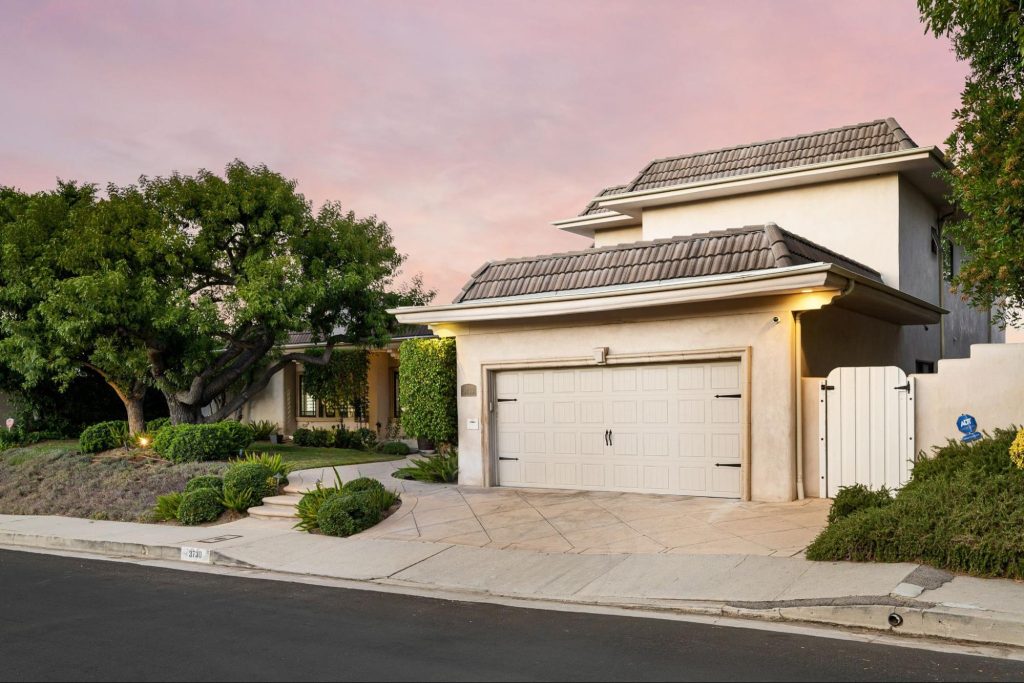
A home’s first impression often starts with the garage door. It’s one of the first things people see and one of the largest movable parts of your home. Beyond its appearance, a garage door impacts security, insulation, and daily convenience. Homeowners often underestimate how much a quality garage door adds to the property. Choosing the right one starts with knowing what works and why.
Residential Garage Door Styles That Define Curb Appeal
Residential garage doors are more than entry points. They reflect your home’s personality and architectural tone. Selecting the right style helps tie the home’s overall design together. It also gives your property a polished, finished look.
Traditional Garage Door Styles
Traditional garage doors often feature raised panels and symmetrical lines. These designs complement Colonial, Cape Cod, and other classic home styles. Many come in neutral tones, but bold colors can also enhance curb appeal. Decorative handles and faux hinges can add character without going overboard. These doors are reliable, widely available, and tend to fit most suburban settings.
Contemporary and Modern Styles
Modern garage doors focus on clean lines and simplicity. These doors often feature a combination of materials, such as glass and aluminum, for a sleek appearance. Frosted windows and dark finishes complement the minimalist architecture. Homes with flat roofs or geometric shapes benefit most from this style. It blends form and function without distracting from the home’s facade.
Custom and Specialty Designs
Some homes need more than a stock design. Custom garage doors allow you to match unique trims, colors, or materials already on your house. Whether it’s arched windows or reclaimed wood, the correct custom elements bring cohesion. These doors often require a higher investment but offer value in terms of looks and exclusivity. Choose this route if off-the-shelf options feel limiting or out of place.
Residential Garage Door Materials That Matter
The material you choose affects more than how the door looks. It impacts weight, maintenance, insulation, and longevity. Knowing the benefits and drawbacks of each helps you make informed choices. Different climates and budgets often steer the material decision.
Steel Garage Doors
Steel doors are strong, affordable, and widely used. They can mimic the look of wood without the upkeep. Many models include insulation layers, making them energy-efficient. Steel holds up well in most climates but may rust if the finish gets damaged. Regular cleaning and occasional touch-ups help preserve its look.
Wood Garage Doors
Wood doors have timeless appeal and natural charm. They come in many stains, finishes, and grains. However, wood requires ongoing maintenance, like sealing and painting. Without proper upkeep, it can warp or crack due to moisture and sun exposure. Choose this material if you value beauty over convenience.
Aluminum and Glass Garage Doors
Aluminum paired with glass panels offers a modern, high-end look. These doors are lightweight, rust-resistant, and often used in contemporary homes. The glass can be clear, frosted, or tinted for privacy. They work well in mild climates but may lack insulation. Think of these doors as style-driven but still functional.
Fiberglass and Vinyl Options
Fiberglass and vinyl doors are both low-maintenance and weather-resistant. They don’t dent easily and resist salt corrosion in coastal areas. These materials often come pre-finished in a range of colors. While not as customizable, they’re practical for those on a tight budget. They offer durability without sacrificing too much style.

Residential Garage Door Features That Add Daily Value
The right features can turn a garage door into more than just an entryway. Smart technology, insulation, and hardware touches all add value. These features enhance safety, conserve energy, and simplify daily routines. Knowing your options gives you more control and satisfaction:
Insulation and Energy Efficiency
Insulated doors help maintain a stable garage temperature. That is useful if your garage connects to your living space. Look for high R-values or insulation performance ratings for better thermal performance. Insulated doors can also reduce street noise. This upgrade makes sense in both hot and cold climates.
Smart Technology Integration
Smart garage doors can be controlled through apps or voice assistants. Many models send alerts if left open too long. You can also grant remote access to visitors. These systems often include cameras or motion sensors for added security. They add a layer of convenience that quickly becomes essential.
Safety and Security Features
Modern garage doors come with built-in safety features. Auto-reverse sensors prevent accidents with pets or children. Rolling-code technology makes it more difficult for intruders to gain unauthorized access to the entry. Manual overrides allow operation during power outages. A secure door is both peace of mind and physical protection. Regular checks help these features function as intended.
Windows, Hardware, and Finishing Touches
Small details make a big difference. Windows let in light while keeping your space private. Decorative hardware, such as faux hinges or antique handles, adds a touch of flair. You can match these touches to your home’s trim or shutters. These upgrades personalize the look without changing the structure. They also make your home more visually consistent.
Choosing Residential Garage Doors That Fit Your Needs
A good garage door fits both your home and lifestyle. It should match the design, withstand local weather, and meet daily demands. Balancing looks, function, and cost is the key. Start with what matters most to you.
Match Style With Home Design
Your garage door should feel like part of the house, not an afterthought. Craftsman homes pair well with wood or faux wood doors. Modern homes lean toward aluminum and glass. Color should complement siding, trim, or front door shades. A unified style adds value and maintains cohesion.
Prioritize Durability and Climate Readiness
Different materials handle the weather in various ways. Steel and vinyl resist rain and snow better than wood. Wind-rated doors are essential in storm-prone areas. Insulated doors help in both extreme heat and cold. Select materials and features that align with your climate requirements.
Balance Budget and Long-Term Value
Budget matters, but so does lifespan. Steel and fiberglass offer durability with low maintenance. Wood costs more over time due to its ongoing maintenance and upkeep. Research warranties and installation options to compare actual costs. Spend where it counts to avoid frequent replacements.

Residential Garage Door Maintenance for a Longer Lifespan
A well-maintained garage door saves you money and headaches. Minor upkeep can stop small problems from becoming major repairs. These tasks don’t require expert skills; they require attention and routine. With a bit of effort each season, your door will last for years.
Simple Maintenance Tasks for Every Homeowner
The first step is always observation. Listen for squeaks, rattles, or grinding sounds. Clean tracks and rollers with a dry cloth to remove buildup. Apply silicone-based lubricant on hinges, rollers, and springs every few months. Replace worn-out weather seals to keep moisture and pests out. Test auto-reverse and sensor systems monthly for safety.
When to Call a Garage Door Technician
Some garage door repairs should never be attempted as a DIY project. Broken springs, bent tracks, or motor issues require the expertise of trained professionals. If your door feels heavy or slams shut, stop using it and call a pro. Annual inspections can also catch issues before they worsen. A trained technician can adjust spring tension, inspect cables, and ensure the balance is maintained. It’s better to pay for a check-up than an emergency repair.
What to Expect From Residential Garage Door Installation
Many homeowners focus on selecting the right door but overlook the importance of proper installation. A quality door installed poorly will cause long-term problems. It can lead to noise, uneven operation, or safety hazards. Knowing the process helps you prepare and avoid surprises:
What Happens During Professional Installation
Technicians begin by safely removing the old door and hardware. Next, they prep the opening and install new tracks. Each panel is set into place, then secured and aligned. Torsion springs and openers follow, with multiple safety checks. Most jobs finish within a few hours, depending on complexity.
Preparing Your Garage for Installation Day
Clear the area before the crew arrives. Remove vehicles, tools, and clutter near the garage entrance. Keep pets and kids inside to prevent accidents. If your garage has poor lighting, add temporary work lights. Ensure that someone is available to approve the final installation and ask questions if needed.
Environmental Impact of Residential Garage Door Choices
Your garage door can affect more than your home’s appearance. It also impacts energy use, waste, and even local ecosystems. Choosing innovative materials and efficient designs reduces long-term harm. Homeowners are increasingly factoring sustainability into their decisions.
Eco-Friendly Materials and Energy Use
Recycled steel and aluminum reduce the demand for raw materials. Insulated doors lower your heating and cooling bills. Look for polyurethane cores and high R-values for better energy retention. Some manufacturers meet green standards and use low-emission processes. A well-chosen door is both energy-efficient and eco-conscious.
Reducing Waste Through Long-Term Planning
Longevity equals less landfill waste. Pick a durable door that won’t need early replacement. Avoid trendy designs that will age quickly or clash with future updates. Some materials, such as vinyl, are more challenging to recycle and break down more slowly. Think long-term from the start to minimize future waste and expense.
Invest in a Residential Garage Door That Pays Off
A garage door is part of your home’s identity, not just a utility. It speaks before you say a word and works hard without thanks. Choosing the right one is a chance to get something that looks great, works better, and lasts longer. Don’t wait until something breaks or feels outdated to start caring. Make the call, get the quote, and give your home the door it deserves.
Get the latest insights on styles, features, and smart upgrades. Explore the All American Door LLC blog and make confident choices.